
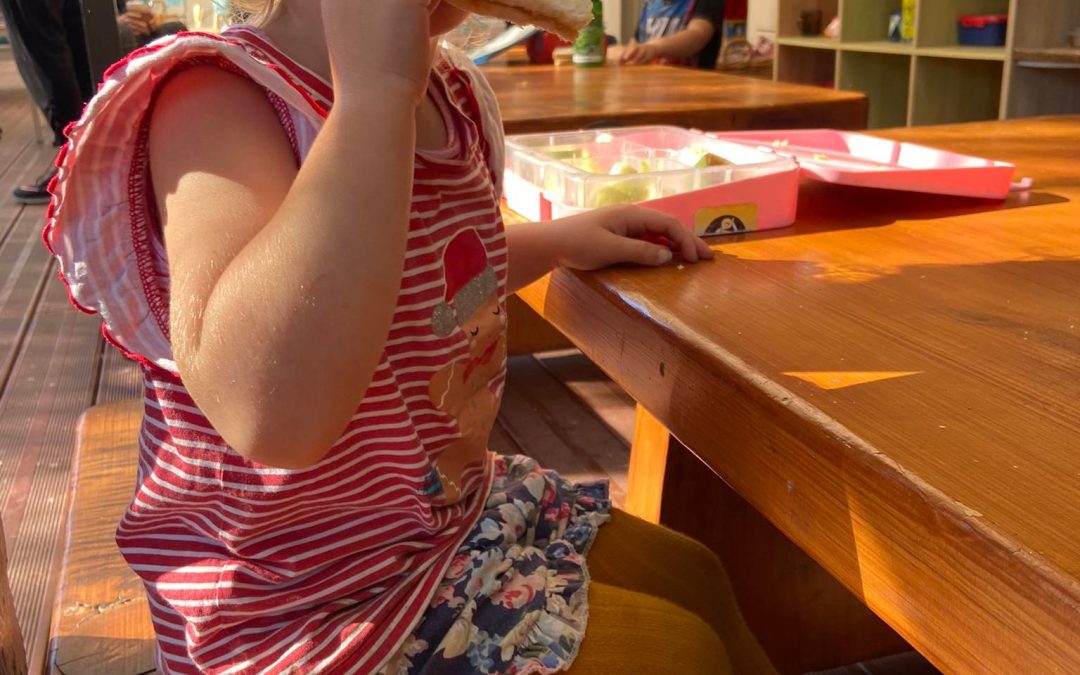
Supporting Regulation at Mealtimes
For many children with feeding challenges, mealtimes can feel overwhelming. It’s not just about the food, it’s about how safe and regulated their nervous system feels in the moment. When a child is dysregulated (anxious, overstimulated, shut down, or in fight-or-flight mode), eating can become almost impossible. Their brain is focused on survival, not digestion or exploration.
That’s why supporting regulation at mealtimes is key.
So what does “regulation” actually mean?
Regulation is a child’s ability to manage their emotions, arousal levels, and energy so they can stay calm, alert, and engaged. For feeding, this means helping children feel safe enough in their bodies and environment to eat.
Signs a child is dysregulated at meals:
Refusing to come to the table
Crying, pushing food away, or fleeing
Freezing, zoning out, or appearing shut down
Hyperactivity or restlessness
Sensory sensitivities (to smell, texture, sound)
Simple ways to support regulation at mealtimes:
Start with connection – a cuddle, deep pressure activity, or shared moment can ground your child before eating.
Create a calming routine – dim lighting, soft music, and a predictable rhythm can reduce overwhelm.
Offer regulation tools – fidget toys, movement breaks, or heavy work before meals can support sensory needs.
Stay neutral and responsive – keeping your own nervous system regulated helps co-regulate your child.
Remember, progress happens when children feel safe, not pressured. By focusing on regulation, we lay the groundwork for curiosity, connection, and successful eating experiences.